Understanding and Managing Dumping Syndrome

Recovering from weight loss surgery requires you to completely rebuild your relationship with food. While the journey offers incredible health benefits, it also introduces a few unexpected challenges. If you have recently undergone a procedure like a gastric bypass, you might have experienced a sudden, highly unpleasant reaction after eating a sweet treat or a heavy meal.
This intense physical response is known as dumping syndrome. It can leave you feeling dizzy, nauseous, and entirely drained. While these episodes can feel incredibly alarming when they first happen, they are a very common and highly manageable side effect of your altered digestive system. In fact, many patients eventually view these symptoms as a helpful, built-in deterrent that keeps them away from high-sugar, low-nutrition foods.
The team from Barilife Lite explain exactly what dumping syndrome is and why it happens. We break down the different types of reactions, share practical strategies for managing your symptoms, and explain how taking BariLife Lite tablets can help you maintain your vital nutrition without triggering an episode.
Note: The information provided in this article is for educational purposes and symptom interpretation only. It is not a substitute for professional medical diagnosis. Always consult your healthcare provider or bariatric dietitian regarding your specific symptoms and dietary needs.

What is Dumping Syndrome?
To understand this condition, you need to look at how your surgery changed your internal plumbing. In a typical digestive system, the stomach acts as a holding tank. It churns your food, mixes it with stomach acid, and slowly releases it into the small intestine at a measured, controlled pace.
Bariatric surgery, particularly the Roux-en-Y gastric bypass, alters or bypasses this holding tank mechanism. Because your new stomach pouch is significantly smaller
and the natural valve that controls stomach emptying may have been altered or removed, food can move out of your stomach far too quickly.
When a large volume of poorly digested food, especially food high in sugar or simple carbohydrates, “dumps” rapidly into your small intestine, your body reacts defensively. This rapid transit triggers a cascade of uncomfortable physical symptoms.
Medical professionals generally categorise these reactions into two distinct phases: early dumping and late dumping.

Early Dumping Syndrome
Early dumping occurs very quickly, typically within 10 to 30 minutes after you finish eating. When highly concentrated, sugary, or dense food drops rapidly into your small intestine, your body attempts to dilute it. To do this, it draws a large volume of fluid directly from your bloodstream into your gut.
This sudden fluid shift causes your intestines to stretch rapidly, leading to immediate gastrointestinal distress. You will likely experience severe bloating, stomach cramping, and an urgent need to use the bathroom, often resulting in explosive diarrhoea.
At the same time, as fluid leaves your bloodstream, your blood volume temporarily drops. This causes a sudden spike in your heart rate as your heart works harder to pump blood. You might feel dizzy, lightheaded, flushed, and overwhelmed by intense nausea.
Late Dumping Syndrome
Late dumping is a distinct physiological reaction that usually occurs one to three hours after eating. Instead of fluid shifts, late dumping is driven by a massive spike and subsequent crash in your blood sugar levels.
When simple carbohydrates and sugars rush into your small intestine, your body absorbs them incredibly fast. This causes an immediate, unnatural spike in your blood glucose. In a panic, your pancreas releases a large surge of insulin to bring those sugar levels back down.
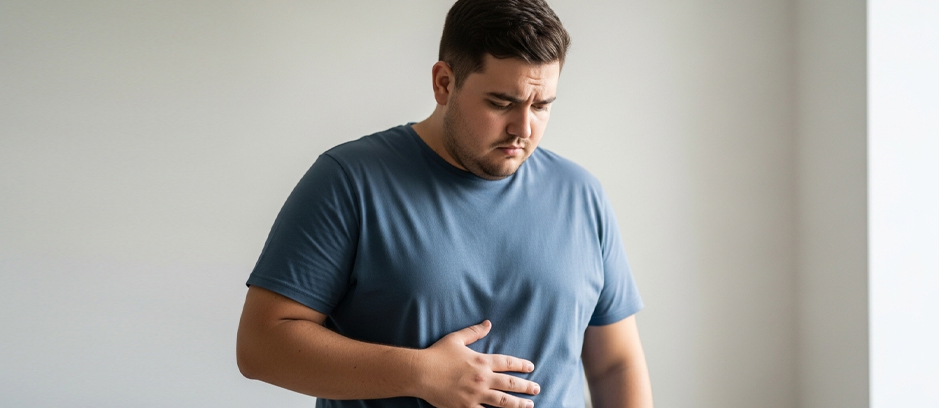
Because the insulin release is so massive, it overcorrects the problem. Your blood sugar plummets well below normal levels, resulting in a condition known as reactive hypoglycaemia (low blood sugar). During a late dumping episode, you will suddenly feel incredibly weak, shaky, and jittery. You may break out in a cold sweat, experience a rapid heartbeat, and feel overwhelming fatigue and brain fog.
Causes and Triggers
While the anatomical changes from your surgery create the environment for dumping syndrome, your food choices are the actual trigger. Recognising what causes the reaction is the first step toward preventing it.
The primary culprit is always sugar. Foods packed with refined sugars and simple carbohydrates are almost guaranteed to trigger an episode for sensitive patients. This includes obvious culprits like soft drinks, lollies, ice cream, cakes, and fruit juices. However, hidden sugars can also catch you off guard. Sweetened yoghurts, protein bars with sugar-based syrups, and even some natural fruits with very high fructose content can initiate a rapid emptying response.
High-fat and greasy foods are another common trigger. Deep-fried foods, heavy cream sauces, and highly processed meats are difficult for your new stomach to process and can overwhelm your small intestine when they pass through too quickly.
Finally, the way you eat can also trigger a response. Eating too quickly, failing to chew your food into a smooth paste, or eating portions that are simply too large for your pouch can physically force food into your small intestine before it is properly broken down.

Managing Your Symptoms
Experiencing dumping syndrome is unpleasant, but it is not something you simply have to endure. By making targeted lifestyle and dietary adjustments, you can drastically reduce the frequency and severity of your episodes.
Eat Smaller, More Frequent Meals
Because your stomach pouch is small, overloading it forces food through the digestive tract too fast. Instead of trying to eat three large meals, transition to five or six very small, nutrient-dense meals throughout the day. This reduces the physical volume of food entering your small intestine at any one time, allowing your body to process it calmly and comfortably.
Prioritise Protein and Complex Carbohydrates
Whenever you sit down to eat, you must prioritise high-quality protein. Protein takes longer to digest, which naturally slows down the emptying process of your stomach. Pair your protein with complex carbohydrates and foods high in dietary fibre. Fibre acts like a sponge, soaking up excess fluid in the gut and slowing the absorption of sugars into your bloodstream. Excellent choices include leafy green vegetables, lentils, beans, and small portions of whole grains.
Avoid Sugar and High-Fat Foods
You need to become a vigilant label reader. Avoid foods where sugar, corn syrup, fructose, or honey are listed among the first three ingredients. Aim for foods that contain less than 15 grams of total sugar per serving, though many patients find they need to keep it below 5 grams to completely avoid symptoms. Steer clear of greasy, deep-fried items and opt for baking, grilling, or steaming your meals instead

Separate Your Food and Liquids
Drinking water or any other beverage during a meal acts like a slip-and-slide, literally washing the food straight out of your stomach pouch and directly into your small intestine. You should stop drinking fluids 30 minutes before you start a meal, and wait another 30 to 60 minutes after you finish eating before you take your next sip.
Rest After Eating
If you are highly prone to early dumping, gravity might be working against you. Taking 15 to 20 minutes to recline or lie down flat after a meal can manually slow down the transit of food from your stomach to your intestine, giving your body a chance to begin digestion without triggering a fluid shift.
The Role of BariLife Lite Tablets
When you are terrified of triggering a dumping episode, it is incredibly common to become overly restrictive with your food choices. Some patients start eating less overall or stick only to a few very “safe” foods. While this might prevent the immediate discomfort of dumping, it creates a much larger, silent problem: severe nutritional deficiencies.
Your body still requires a wide range of vitamins and minerals to heal, maintain muscle mass, and support long-term health. If you cannot get these nutrients from food, you must get them from supplementation. This is where BariLife Lite tablets become an essential part of your daily routine.
Unlike standard over-the-counter multivitamins, which are often coated in sugars or bound with harsh fillers that can trigger dumping, BariLife Lite is designed to be exceptionally gentle on your highly sensitive digestive tract.
Because these tablets are entirely sugar-free, you can take them without any fear of triggering an insulin spike or an early dumping fluid shift. They deliver precise, clinically appropriate doses of essential nutrients, like iron, Vitamin B12, calcium, and Vitamin D, in a format that your altered small intestine can actually absorb.

When to Seek Medical Advice
For the vast majority of bariatric patients, dumping syndrome is highly uncomfortable but not medically dangerous. It acts as a strict, physical reminder to stick to your post-surgery dietary guidelines.
However, you should not suffer in silence. If you have implemented all the dietary changes, eating slowly, avoiding sugar, and separating liquids, and you are still experiencing frequent, severe dumping episodes, you need to reach out to your healthcare team.
You should also seek immediate medical advice if your episodes of diarrhoea are so severe that you are showing signs of dehydration, such as dark urine, extreme dizziness upon standing, or a dangerously rapid heart rate that does not subside.
Additionally, if your late dumping hypoglycaemia causes you to faint or lose consciousness, this is a medical emergency that requires immediate attention. Your bariatric surgeon or dietitian can review your exact food logs, run blood tests, and perhaps recommend specific medical interventions or medications to help slow your digestion.

Moving Forward With Confidence
Dumping syndrome is a challenging but completely manageable part of life after bariatric surgery. By understanding the mechanical causes behind the nausea, sweating, and dizziness, you strip away the fear and empower yourself to take control of your symptoms.
Making smart choices, like prioritising protein, increasing your fibre intake, separating your liquids from your meals, and fiercely avoiding hidden sugars, will keep your digestive system calm and functioning properly. Most importantly, ensuring you have the right nutritional support means you never have to sacrifice your health out of fear of eating the wrong thing.
Taking a targeted, bariatric-friendly supplement is a non-negotiable step in your long-term success. You deserve to feel energetic, healthy, and entirely in control of your new lifestyle. Explore the gentle, sugar-free formulation of BariLife Lite tablets today. Visit our store to find the perfect bariatric supplement routine tailored to your comfort and recovery.
*These statements have not been evaluated by the TGA or a Bariatric specialist. The information provided is not intended to replace medical advice provided by a Medical professional. This product is not intended to diagnose, treat, cure, or prevent any disease. Always consult your healthcare provider before starting any supplement regimen.

BariLife Just One – Lite provides the right balance of vitamins and minerals to keep your body functioning at its peak. Whether you’ve had surgery or just want to fill nutritional gaps, this simple, once-a-day solution is the step toward long-term health.
For questions or recommendations, email us at info@barilife-lite.com.au or call 0452 665 037. Don’t forget to ask about the best calcium citrate chews suited for your needs!
Take control of your health today with BariLife Just One – Lite – your complete bariatric multivitamin solution.
 ">
">
 ">
">