Understanding the Different Types of Bariatric Surgery

Bariatric surgery has transformed the lives of countless individuals who struggle with severe obesity, offering a pathway to improved health and quality of life. For those contemplating this step, understanding the different types of bariatric surgery is crucial in choosing the proper procedure to meet their needs.
This guide explores the three main types of bariatric surgery, their benefits, risks, and how they achieve weight loss. We’ll also highlight why proper nutrition and BariLife-Lite’s supplements are integral to a successful post-surgery recovery.
What Is Bariatric Surgery?
Bariatric surgery involves altering the digestive system to reduce food intake and, in some cases, nutrient absorption. This facilitates weight loss and improves obesity-related health conditions such as diabetes and hypertension.
Types of Bariatric Surgery
Bariatric surgery isn’t one-size-fits-all. Below are the primary types of procedures, their mechanisms, and what makes each unique.
1. Roux-en-Y Gastric Bypass (RYGB)
This procedure creates a small pouch in the stomach, which is then connected to a lower part of the small intestine. By bypassing a section of the digestive system, it reduces both food intake and nutrient absorption.
Benefits
- Significant long-term weight loss (60–80% of excess weight).
- Effective in managing diabetes and other obesity-related conditions.
- Alters hormones to decrease hunger and promote fullness.
Risks
- Higher likelihood of nutritional deficiencies (iron, calcium, vitamin B12).
- Dumping syndrome (a condition causing nausea and diarrhoea when eating sugary or fatty foods).
- More complex surgery with potential for complications like infection or leakage.


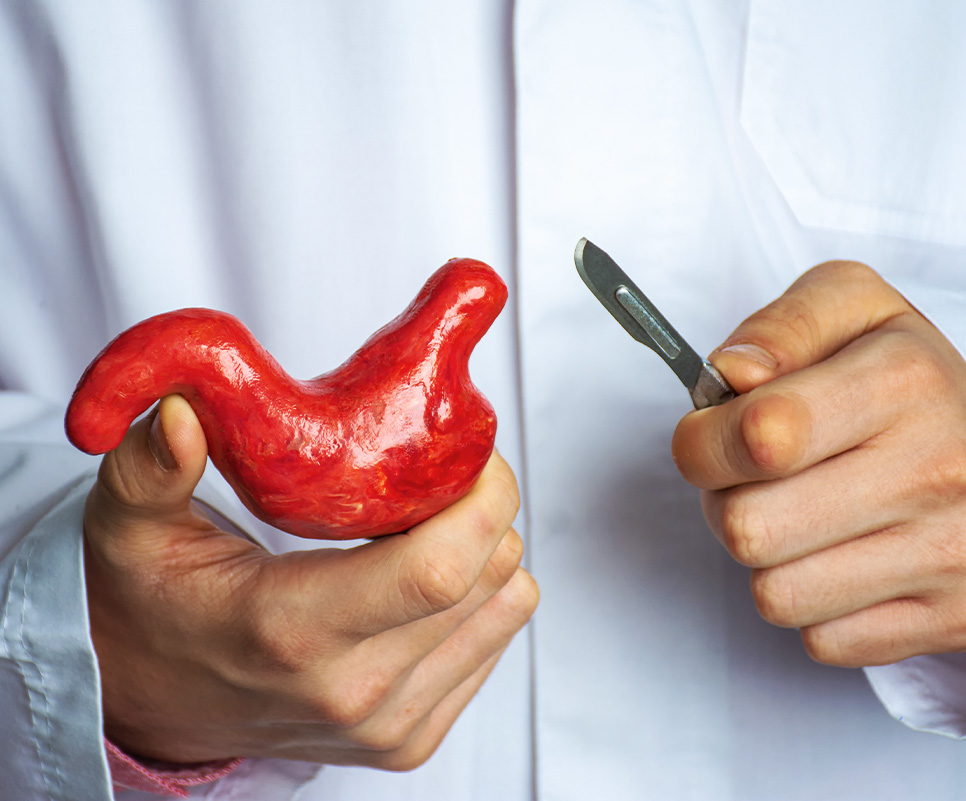
2. Sleeve Gastrectomy
This procedure involves removing approximately 80% of the stomach, leaving a smaller, tube-like structure known as a sleeve.
Benefits
- Reduces hunger by lowering ghrelin levels (the hunger hormone).
- Effective for moderate to significant weight loss.
- Fewer surgical complications than gastric bypass.
Risks
- Irreversible, as the removed portion of the stomach cannot be replaced.
- Potential for acid reflux.
- Nutrient deficiencies if dietary guidelines aren’t strictly followed.
3. Adjustable Gastric Banding (AGB)
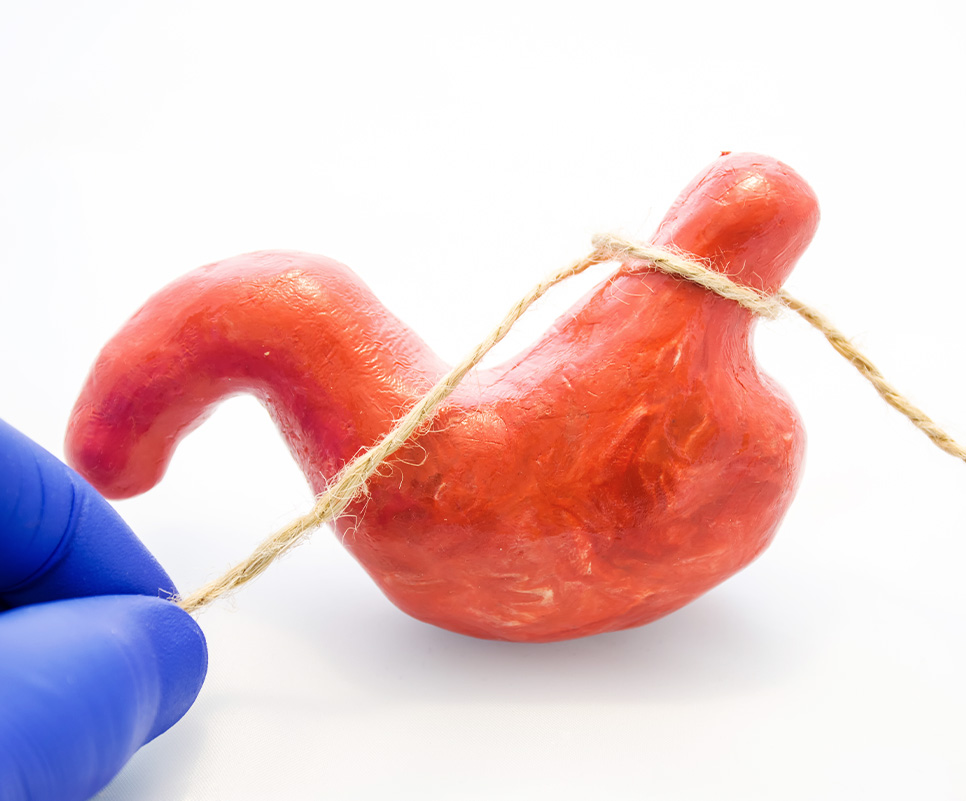
This method involves placing a silicone band around the upper stomach to create a smaller stomach pouch. The band is adjustable to control the level of restriction.
Benefits
- Reversible and adjustable based on patient needs.
- Does not alter the digestive or nutrient absorption process.
- Shorter recovery time with minimal surgical risk.
Risks
- Slower and less significant weight loss compared to other surgeries.
- Requires frequent adjustments and ongoing management.
- Risk of band slipping or erosion.
Mechanisms of Weight Loss in Bariatric Surgery
All forms of bariatric surgery contribute to weight loss, but the methods vary.
1. Restriction
Bariatric surgery reduces the amount of food one can eat at any time by limiting the size of the stomach.
2. Malabsorption
Some procedures, like RYGB, bypass part of the digestive tract, reducing the absorption of calories and nutrients.
3. Hormonal Changes
Bariatric surgeries influence hormones that regulate hunger and satiety, like ghrelin and peptide YY.
4. Gut Microbiota
Research shows surgical changes can alter gut bacteria, improving metabolism and energy regulation.

Factors to Consider When Choosing Surgery
Choosing the right bariatric surgery depends on individual health and weight loss goals.
Key Factors
- Health Conditions: Severe comorbidities like diabetes or heart disease may favour surgeries with higher weight loss efficiency, such as RYGB.
- Goals: Those seeking less invasive options might prefer sleeve gastrectomy or gastric banding.
- Risks: Patients must weigh the potential risks and complications of each procedure.
- Lifestyle Changes: Commitment to lifelong dietary adjustments and supplementation is non-negotiable.
The Role of Nutrition and BariLife-Lite Supplements
Bariatric surgery often leads to nutrient absorption challenges, making high-quality supplementation critical. BariLife-Lite offers products uniquely designed to ensure nutritional needs are met post-surgery.
Recommended BariLife-Lite Products
- ‘Just One’ Multivitamin with Iron: Provides 22 essential vitamins and minerals in an easy daily tablet.
- Calcium Citrate Chews: Supports bone health, tailored for bariatric needs.
- Protein Powders and Snacks: Help achieve protein targets for muscle repair and satiety.
- Some patients can experience nausea or unpleasant side effects with some brands of Bariatric Multivitamins.
- If you experience anything unusual, then try another brand. Not all Bariatric Multivitamins cause nausea, foaming or gas.

Final Thoughts
Bariatric surgery is not just about weight loss; it’s a life-altering decision that requires careful thought, planning, and commitment. Understanding the various surgery types, their benefits, and potential risks can help you make an informed decision.
Explore BariLife-Lite’s range of bariatric supplements here and support your recovery while achieving optimal health. Remember, success doesn’t stop at the surgery; it’s about the tools and habits you build to sustain a healthier, brighter future.
Empower your bariatric surgery journey by choosing the procedure that aligns with your goals and committing fully to the lifestyle changes required for long-term success.
*These statements have not been evaluated by the TGA or a Bariatric specialist. The information provided is not intended to replace medical advice provided by a Medical professional. This product is not intended to diagnose, treat, cure, or prevent any disease. Always consult your healthcare provider before starting any supplement regimen.

BariLife Just One – Lite provides the right balance of vitamins and minerals to keep your body functioning at its peak. Whether you’ve had surgery or just want to fill nutritional gaps, this simple, once-a-day solution is the step toward long-term health.
For questions or recommendations, email us at info@barilife-lite.com.au or call 0452 665 037. Don’t forget to ask about the best calcium citrate chews suited for your needs!
Take control of your health today with BariLife Just One – Lite – your complete bariatric multivitamin solution.
 ">
">
 ">
">