Why Feeling Tired All the Time After Bariatric Surgery Isn’t Normal

Undergoing weight loss surgery is a life-changing decision that puts you on the path to improved health and well-being. However, the recovery journey often brings a unique set of physical challenges. You might expect some soreness and a period of adjustment as you learn how to eat again. You probably also anticipate feeling a bit drained in the weeks immediately following your operation.
But what happens when that exhaustion lingers? If you find yourself struggling to keep your eyes open during the day, or if you feel completely wiped out after simple tasks months down the track, you need to pay attention. Severe, persistent fatigue after bariatric surgery is not just a standard part of the process. It is your body’s way of signalling that something needs to be adjusted.
In this guide, we will explore the common causes of low energy after surgery, explain why persistent exhaustion is not something you should ignore, and outline practical steps you can take to reclaim your vitality.
Note: The information provided in this article is for symptom interpretation and educational purposes only. It is not a substitute for professional medical diagnosis or treatment. Always consult your healthcare provider or bariatric team regarding your specific symptoms.

Common Causes of Fatigue After Bariatric Surgery
To understand why you feel so drained, you first need to look at the massive changes your body has just experienced. Bariatric surgery alters your digestive system, drastically reduces your caloric intake, and forces your metabolism to adapt rapidly. While these changes promote weight loss, they can also trigger extreme tiredness if certain factors fall out of balance.
The Hidden Danger of Dehydration
Dehydration is one of the leading causes of post-bariatric surgery fatigue. When your stomach size is reduced, you can no longer chug a glass of water to quench your thirst. You have to sip fluids slowly throughout the day. Because drinking becomes a conscious, measured effort, many patients struggle to meet their daily fluid requirements.
When you do not consume enough fluids, your blood volume drops. This means your heart has to work harder to pump oxygen and nutrients to your brain and muscles. The direct result of this physical strain is a profound sense of lethargy, dizziness, and heavy fatigue.

Nutritional Deficiencies
Your body needs fuel to generate energy. After surgery, you are consuming significantly less food. Depending on the type of procedure you had, your body might also absorb fewer nutrients from the food you do eat. Over time, this can lead to severe nutritional deficiencies that drain your energy stores.
Several key nutrients are responsible for maintaining your daily energy levels:
- Iron: Iron is crucial for producing haemoglobin, the protein in red blood cells that carries oxygen around your body. Low iron levels lead to anaemia, a condition characterised by weakness, pale skin, and extreme exhaustion.
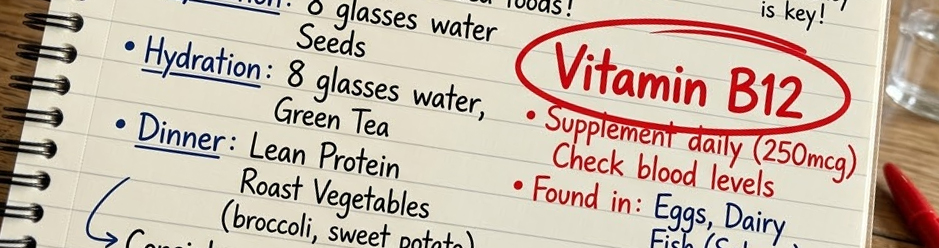
- Vitamin B12: Because bariatric surgery alters the stomach environment, your body produces less of the intrinsic factor needed to absorb Vitamin B12. A lack of B12 directly impacts nerve function and red blood cell production, causing deep fatigue and sometimes tingling in your hands and feet.
- Protein: Protein is the building block of your muscles. If you fail to meet your daily protein targets, your body will begin to break down its own muscle tissue for energy. This muscle loss leaves you feeling physically weak and perpetually tired.

Hibernation Syndrome
Have you heard of hibernation syndrome? It is a common phase many patients experience, typically occurring roughly two to four weeks after their procedure. Because you transition to a very low-calorie liquid or pureed diet, your body registers a sudden, massive drop in energy intake.
In response, your metabolism essentially goes into survival mode. Your body tries to conserve energy by slowing down, which makes you feel completely exhausted, cold, and sluggish. While hibernation syndrome is a recognised phase of early recovery, it should gradually lift as you introduce more solid foods and your body adapts to its new normal.
Medication and Dietary Changes
Sometimes, the culprit behind your low energy is related to your medications. As you lose weight rapidly, conditions like high blood pressure or type 2 diabetes often improve. If you are still taking the same dosage of medication for these conditions that you took prior to surgery, your blood pressure or blood sugar might drop too low. Low blood pressure and hypoglycaemia (low blood sugar) both cause extreme fatigue, dizziness, and weakness.
Additionally, the sheer mental and physical toll of adapting to a new way of eating can leave you feeling drained.
Why Persistent Fatigue Isn’t Normal
It is perfectly normal to feel tired in the immediate aftermath of major surgery. Your body has endured the trauma of the operation, the effects of anaesthesia, and a dramatic shift in how it receives nourishment. However, there is a distinct line between normal recovery fatigue and concerning exhaustion.
The Difference Between Recovery and Red Flags
Normal recovery fatigue usually peaks in the first few weeks. You might need an afternoon nap, or you might find that a short walk leaves you ready for a rest. But week by week, your stamina should slowly improve. You should notice a gradual upward trend in your energy levels as your incisions heal and you progress through your diet phases.
If you are several months post-op and you still struggle to get out of bed, this is a red flag. If your fatigue is getting worse instead of better, or if it is accompanied by other symptoms like hair loss, brittle nails, shortness of breath, or a racing heart, your body is sounding an alarm.

The Risks of Ignoring the Signs
Ignoring persistent tiredness is dangerous. Many patients mistakenly believe that feeling weak is just the price they have to pay for losing weight. They try to push through the exhaustion, assuming it will eventually resolve on its own.
When you ignore severe fatigue, you risk allowing underlying issues to escalate. A mild iron deficiency can progress to severe anaemia requiring intravenous iron infusions or blood transfusions.
Untreated Vitamin B12 deficiencies can lead to permanent neurological damage. Chronic dehydration can cause kidney stones or damage your renal function over time. Interpreting your symptoms accurately and seeking timely help prevents minor setbacks from turning into major medical complications.
What to Do If You’re Always Tired
If you are struggling with relentless fatigue after bariatric surgery, you do not have to just put up with it. There are several proactive steps you can take to identify the root cause and restore your energy levels.
Prioritise Your Hydration
Because dehydration is such a common trigger for tiredness, your water intake should be the first thing you assess. Are you hitting your daily fluid targets?
Carry a reusable water bottle with you everywhere you go. Set timers on your phone to remind yourself to take small sips every few minutes. If plain water makes you feel nauseous or sits heavily in your pouch, try herbal teas, sugar-free flavour drops, or electrolyte-infused water.

Focus on a Nutrient-Dense Diet and Supplements
Your daily food intake is small, which means every single bite needs to count. Build your meals around high-quality protein sources like lean meats, eggs, tofu, and dairy. Meeting your protein goals is essential for preserving your muscle mass and maintaining stable energy.
Equally important is your supplement routine. Bariatric multivitamins are not optional; they are a lifelong commitment. Standard over-the-counter multivitamins rarely contain the high doses of iron, B12, calcium, and Vitamin D that a post-bariatric body requires.
If you are struggling with the taste or format of your current supplements, speak with your healthcare team about alternative options, such as chewables or liquids.

When to Seek Medical Advice
While focusing on hydration and nutrition is crucial, you must involve your healthcare team if your fatigue persists. You should book an appointment with your bariatric surgeon, general practitioner, or bariatric dietitian if:
- Your fatigue prevents you from completing normal daily activities.
- You feel dizzy, lightheaded, or faint when you stand up.
- You experience shortness of breath or a rapid heartbeat.
- You notice tingling or numbness in your extremities.
- Your energy levels are progressively dropping instead of improving.
When you visit your doctor, they will likely order a comprehensive panel of blood tests. These tests will check your complete blood count, iron stores, Vitamin B12, folate, Vitamin D, and protein levels. Blood work removes the guesswork, allowing your medical team to pinpoint exactly what is causing your fatigue so they can recommend a targeted treatment plan. They may also review your current medications to ensure your dosages are still appropriate for your new weight.

Take Action Today
Experiencing a dip in energy immediately following your operation is a standard part of the healing process. However, feeling completely drained and suffering from persistent fatigue after bariatric surgery months down the line is not normal. Whether the cause is dehydration, a hidden nutritional deficiency, or a need to adjust medication, your extreme tiredness is a clear signal that your body requires more support.
Do not accept exhaustion as your new normal. You chose to have bariatric surgery to improve your quality of life, and you deserve to have the energy to enjoy the results of your hard work.
If you are struggling with low energy, take action today. Track your water intake, commit to your daily bariatric vitamins, and most importantly, reach out to your healthcare provider for a thorough check-up. Ready to optimise your post-surgery health? Browse our collection of bariatric-friendly supplements and read our related blog posts to find more expert tips on thriving after weight loss surgery.
*These statements have not been evaluated by the TGA or a Bariatric specialist. The information provided is not intended to replace medical advice provided by a Medical professional. This product is not intended to diagnose, treat, cure, or prevent any disease. Always consult your healthcare provider before starting any supplement regimen.

BariLife Just One – Lite provides the right balance of vitamins and minerals to keep your body functioning at its peak. Whether you’ve had surgery or just want to fill nutritional gaps, this simple, once-a-day solution is the step toward long-term health.
For questions or recommendations, email us at info@barilife-lite.com.au or call 0452 665 037. Don’t forget to ask about the best calcium citrate chews suited for your needs!
Take control of your health today with BariLife Just One – Lite – your complete bariatric multivitamin solution.
 ">
">
 ">
">