The Importance of Hydration in Post-Surgery Recovery

Recovery after surgery is a critical phase where your body needs extra care, support, and the right tools to heal effectively. Among all the factors that contribute to successful recovery, hydration stands out as one of the simplest but most vital.
Staying hydrated impacts everything from wound healing to energy levels, and overlooking it can lead to complications that can hinder your progress.
This guide by the team at BariLife Lite will explain why hydration is so important following surgery, the benefits it offers, and how you can make it an essential part of your recovery routine.
Why Hydration Is Critical After Surgery
During a surgical procedure, your body endures stress that increases its need for water. From temperature regulation to flushing out toxins, hydration is crucial to supporting your body’s recovery mechanisms.
The Role of Hydration in Recovery
When you’re adequately hydrated, your body can perform key functions that influence your healing process. Here’s what hydration does for you post-surgery:
Supports Wound Healing
Water plays a crucial role in forming new cells and tissues. Increased hydration ensures that your body has the resources it needs to regenerate and repair the surgical site.
Improves Nutrient Absorption
Proper hydration is essential for transporting vital nutrients through your bloodstream to your recovering tissues. A nutrient-rich environment promotes faster healing and stronger recovery.
Flushes Out Toxins
Post-surgery medications and anaesthesia can lead to toxin build-up in your body. Staying hydrated helps your kidneys and liver to remove these residues efficiently.
Regulates Body Temperature
Surgery can disrupt body temperature regulation. Water aids in maintaining a stable internal environment, reducing discomfort and inflammation.
Minimises Post-Surgery Complications
Dehydration increases the risk of common post-surgical complications like urinary tract infections, blood clots, and constipation. By prioritising hydration, you decrease your chances of such setbacks.

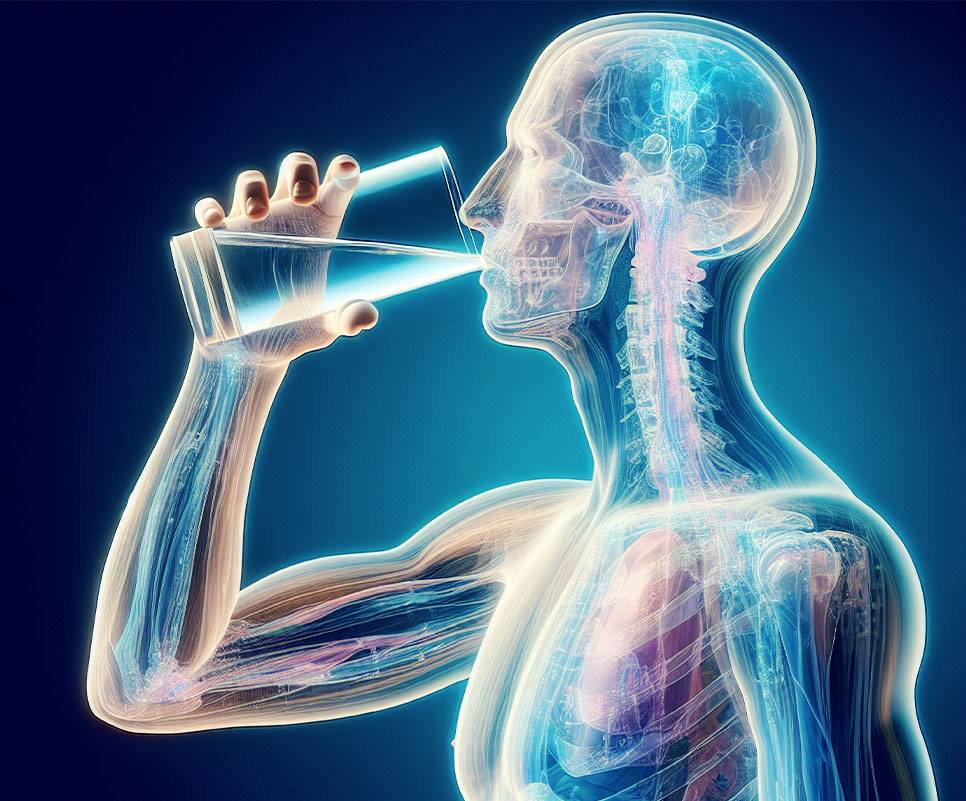
The Benefits of Staying Hydrated After Surgery
Making hydration a non-negotiable part of your recovery has tangible benefits that can make your healing process smoother and faster.
Boosted Energy Levels
Feeling sluggish and fatigued after surgery is common. Hydration combats exhaustion by helping your cells produce energy more efficiently.
Reduced Risk of Constipation
Pain medications and reduced activity can slow down digestion, leading to constipation, a common issue after surgery. Staying hydrated keeps your digestive system moving and can help prevent uncomfortable side effects.
Lowered Chances of Blood Clots
Water keeps your blood flowing smoothly, lowering the risk of potentially dangerous clots forming, particularly in the days following surgery when mobility may be limited.
Enhanced Medication Effectiveness
Hydration assists in dissolving and distributing medications throughout your system effectively, ensuring their maximum benefit.

Actionable Tips to Maintain Hydration
Hydration may sound simple, but adopting a mindful approach can help you stay consistent during recovery.
Sip, Don’t Gulp – Drinking large amounts of water at once can overwhelm your stomach, especially after surgery. Instead, aim to sip small amounts of liquid throughout the day.
Set Daily Goals and Reminders – Track your water intake using a bottle with built-in measurements or a hydration app. Setting alarms can also remind you to take regular sips.
Choose Hydrating Foods – Water-rich foods like watermelon, cucumbers, oranges, and zucchinis can boost your fluid intake effortlessly. Their additional nutrients also support recovery.
Opt for Clear Broths and Herbal Teas – If water becomes monotonous, clear broths and non-caffeinated herbal teas are excellent alternatives that keep you hydrated and provide nutrients.
Carry Water Wherever You Go – Keep a water bottle nearby at all times. Whether beside your bed or on the couch, ensure hydration is always convenient.
Monitor Urine Colour – A simple way to gauge hydration is to notice the colour of your urine. Pale yellow indicates that you’re well-hydrated, whereas darker shades suggest it’s time for more fluids.

Overcoming Common Hydration Challenges
It’s not uncommon to face challenges when trying to stay hydrated post-surgery. Here’s how to tackle some of the most frequent issues.
Difficulty Swallowing or Nausea
After surgery, nausea or pain while swallowing can make drinking water unpleasant. Combat this by taking small sips or trying ginger-infused water to ease nausea.
Forgetting to Prioritise Hydration
If hydration feels like an afterthought, structure your day around it. Pair drinking water with existing habits, such as taking medication or meals.
Not Feeling Thirsty
Surgical procedures can alter your sense of thirst. Set goals rather than relying on thirst cues to guide your fluid intake.
Limited Mobility Post-Surgery
If moving to refill a water bottle is difficult, keep a jug of water or multiple bottles within arm’s reach.
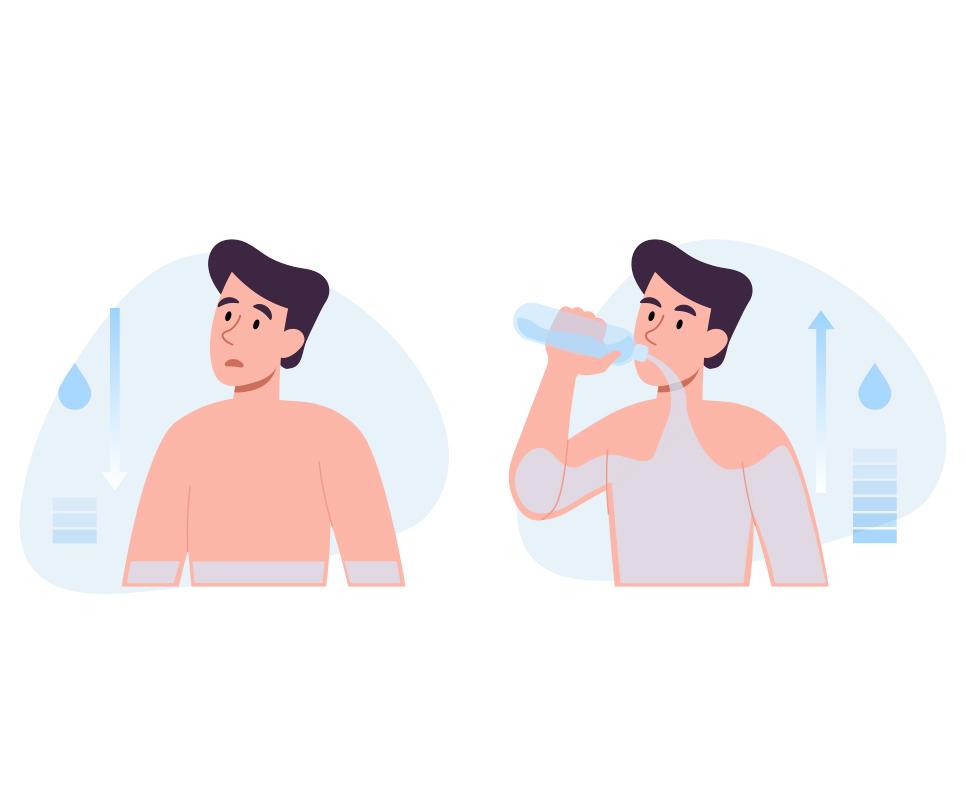
Your Road to Recovery Begins with Water
Your postoperative recovery hinges on many factors, but hydration is one of the most straightforward elements to control. By making it a priority, you provide your body with what it needs to heal, flush toxins, and regain energy.
Take the first step towards a healthier recovery by focusing on hydration. Track your intake, set reminders, and explore alternatives like hydrating foods or teas. Small, consistent efforts can yield big results for your well-being.
Invest in your healing process by prioritising hydration, and notice how its impact compounds over time. Discover BariLife-Lite’s personalised supplements, designed to streamline your care and help you achieve your daily health goals effortlessly.
*These statements have not been evaluated by the TGA or a Bariatric specialist. The information provided is not intended to replace medical advice provided by a Medical professional. This product is not intended to diagnose, treat, cure, or prevent any disease. Always consult your healthcare provider before starting any supplement regimen.

BariLife Just One – Lite provides the right balance of vitamins and minerals to keep your body functioning at its peak. Whether you’ve had surgery or just want to fill nutritional gaps, this simple, once-a-day solution is the step toward long-term health.
For questions or recommendations, email us at info@barilife-lite.com.au or call 0452 665 037. Don’t forget to ask about the best calcium citrate chews suited for your needs!
Take control of your health today with BariLife Just One – Lite – your complete bariatric multivitamin solution.
 ">
">
 ">
">