The Role of Protein After Bariatric Surgery

Navigating your new lifestyle after weight loss surgery can feel overwhelming. You have a completely new stomach capacity, a strict list of dietary phases to follow, and a heavy focus on hydration. Amidst all these changes, your healthcare team likely keeps repeating one major rule: prioritise your protein.
Focusing on protein after bariatric surgery is not just a passing diet trend. It is a fundamental pillar of your safe recovery and long-term success. When your food intake drops drastically, your body looks for alternative energy sources. Without enough protein, you risk losing valuable muscle mass, experiencing severe fatigue, and slowing down your healing process.
The team at BariLife Lite will explore exactly why protein is the star of your post-surgery diet. We will break down how much you actually need, highlight the best sources to keep your taste buds happy, and share practical strategies for overcoming common aversions.
Note: The information provided in this article is for educational purposes only. Protein intake recommendations must always be tailored to your individual needs. Please consult your bariatric surgeon or an accredited practising dietitian for personalised medical and nutritional advice.

Why Protein is Essential After Bariatric Surgery
Your body undergoes major anatomical changes and significant physical trauma during a bariatric procedure. Once the operation is complete, the real work of healing and adjusting begins. Protein acts as the essential building block that makes this recovery possible.
Supporting Healing and Recovery
Protein is directly responsible for repairing tissues and building new cells. Right after your operation, your body needs extra resources to heal your internal and external incisions. A high-protein diet provides the amino acids required to close wounds, fight off potential infections, and strengthen your immune system. Without adequate protein, your recovery time can stretch out, leaving you vulnerable to complications.
Preserving Muscle Mass During Rapid Weight Loss
The primary goal of bariatric surgery is to lose excess body fat. However, when you drastically reduce your caloric intake, your body often panics. If it does not receive enough fuel from food, it will start breaking down your own muscle tissue for energy.
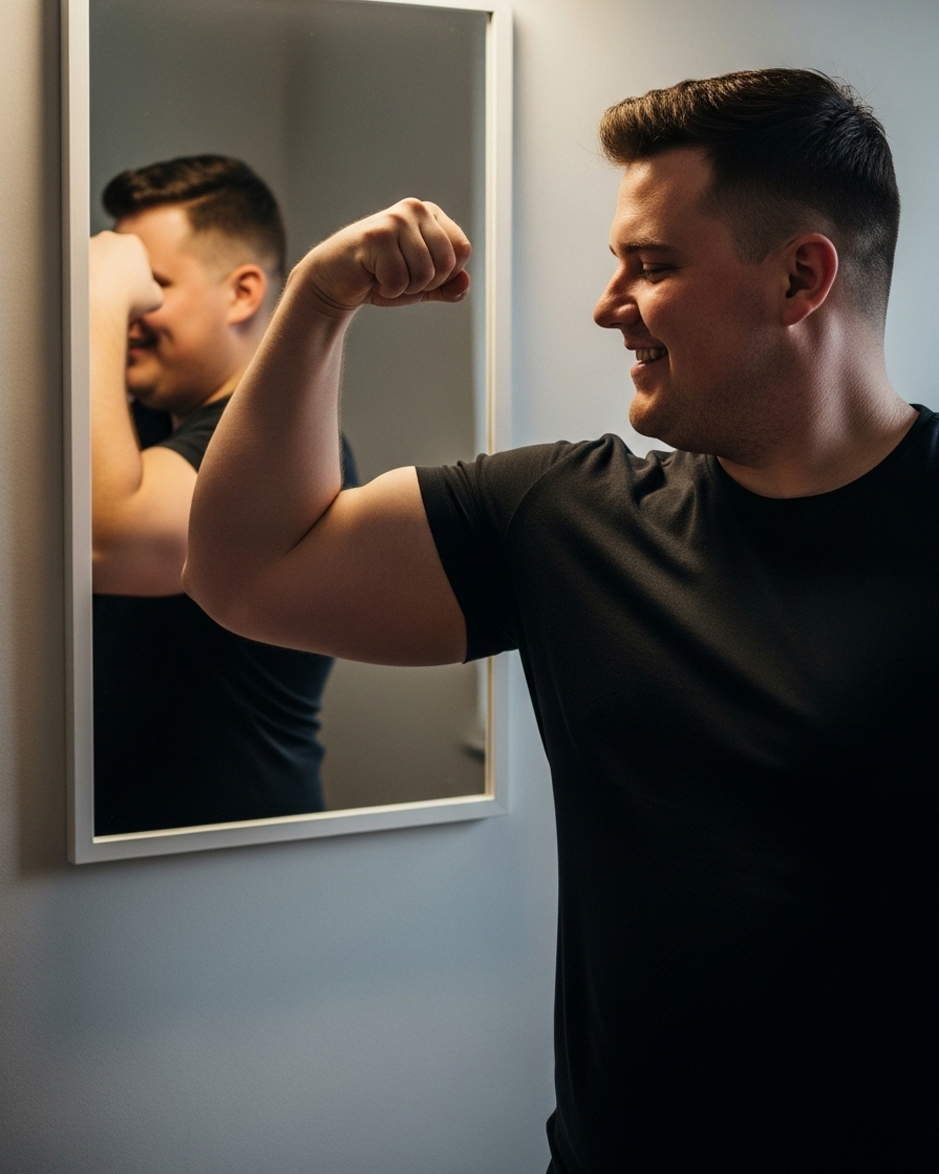
Losing muscle mass is highly problematic. Muscles burn more calories at rest than fat tissue does, meaning your muscle mass directly drives your metabolism. If you lose too much muscle during your rapid weight-loss phase, your metabolism will slow significantly. Eating enough protein after bariatric surgery signals to your body that it should burn stored fat for energy while leaving your valuable muscles intact.
Preventing Severe Hair Loss
Many patients experience temporary hair loss roughly three to six months post-surgery. This condition, known as telogen effluvium, happens because the body diverts nutrients away from non-essential functions (like growing hair) to protect vital organs during a period of stress and rapid weight loss.
While you might not be able to prevent post-surgery hair thinning entirely, a severe protein deficiency will make it much worse. Consistently hitting your daily protein targets provides your body with the structural components it needs to support healthy hair, skin, and nails.
Supporting Long-Term Health and Satiety
Protein takes longer to digest than carbohydrates. This means it stays in your small stomach pouch longer, keeping you feeling full and satisfied between meals. By anchoring your meals with protein, you naturally reduce cravings and minimise the urge to graze on less nutritious foods. This creates a solid foundation for long-term weight maintenance.

How Much Protein Do You Need?
Understanding why you need protein is the first step. The next hurdle is figuring out exactly how much you should consume every day to reap these benefits.
General Intake Guidelines
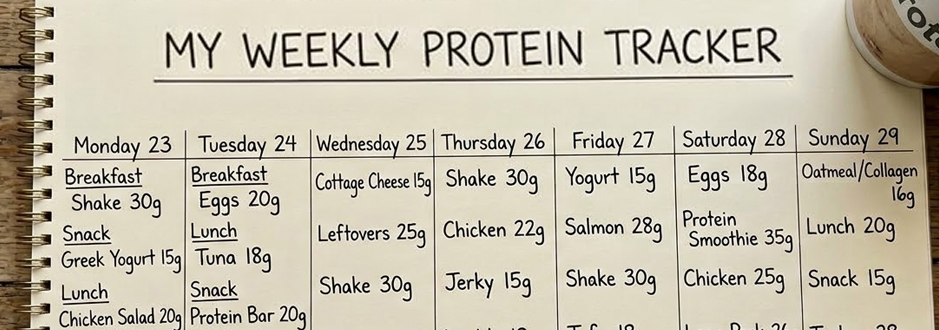
Leading bariatric organisations, including the Obesity Action Coalition, generally recommend that bariatric patients consume 60-80 grams of protein per day. This is a solid baseline for most adults recovering from procedures like the gastric sleeve or gastric bypass.
However, hitting 60 grams of protein when your stomach can hold only half a cup of food is a significant challenge. You cannot eat a large steak or a massive chicken breast in one sitting anymore. Instead, you must spread your protein intake evenly across multiple small meals and snacks throughout the day.
Factors That Influence Your Specific Needs
While 60 to 80 grams is a helpful benchmark, your actual requirements may differ. Several factors influence your daily protein target:
- Your Surgery Type: Procedures with a malabsorptive component, such as the Roux-en-Y gastric bypass or the Duodenal Switch, alter how your intestines absorb nutrients. Patients undergoing these surgeries often require up to 90-100 grams of protein daily to compensate for reduced absorption.
- Your Activity Level: As you recover and start incorporating strength training or cardiovascular exercise into your routine, your muscles will demand more protein to recover and grow.
- Your Height and Lean Body Mass: Taller individuals and those with more natural muscle mass generally require a higher daily protein intake to maintain their strength.
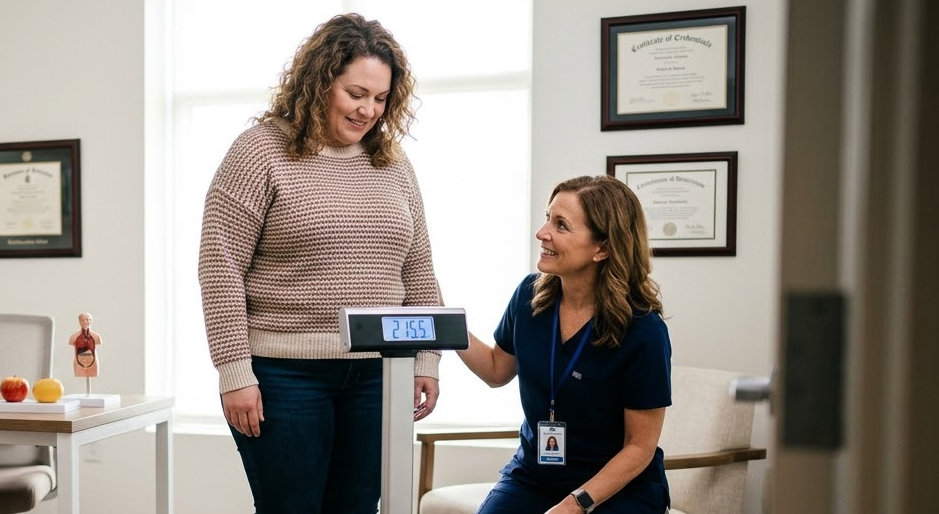
Because these factors vary wildly from person to person, consulting a bariatric dietitian is crucial. They will assess your medical history, your specific procedure, and your lifestyle to calculate an exact protein goal tailored to you.
Best Sources of Protein for Bariatric Patients
Meeting your protein goals with a significantly reduced stomach capacity requires strategic eating. You have to make every single bite count. The best approach involves a mix of whole foods and high-quality supplements.
High-Protein Whole Foods
Once you have progressed through the liquid and pureed diet phases and are cleared for solid foods, whole foods should become your primary focus.
Excellent bariatric-friendly protein sources include:
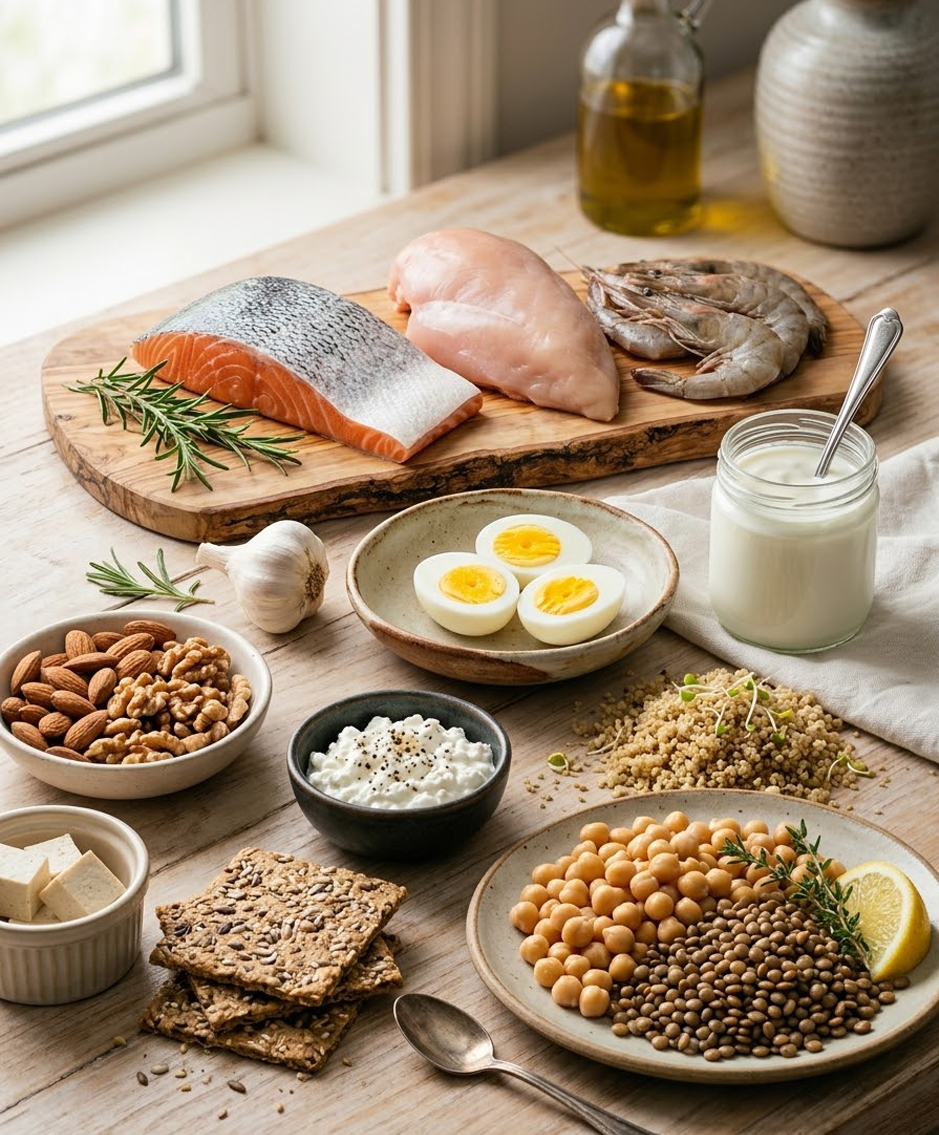
- Eggs: Scrambled, poached, or boiled, eggs are a soft, highly digestible source of complete protein.
- Dairy Products: Greek yoghurt, cottage cheese, and low-fat cheese sticks pack a massive protein punch in a very small volume.
- Fish and Seafood: Flaky white fish, salmon, and canned tuna are incredibly soft, making them easy on your new stomach pouch while providing excellent protein and healthy omega-3 fats.
- Lean Poultry: Minced chicken or turkey, as well as thinly sliced chicken breast, are staples for many post-op patients.
- Plant-Based Options: Tofu, tempeh, edamame, and lentils offer great alternatives if you struggle with meat or follow a vegetarian lifestyle.
The Role of Protein Supplements
In the early months following your procedure, relying purely on whole foods to hit 80 grams of protein is nearly impossible. This is where protein supplements become your best friend.
Protein shakes, powders, and clear protein waters are essential tools for bariatric patients. Whey protein isolate is widely considered the gold standard because it absorbs rapidly, contains all essential amino acids, and is virtually lactose-free.
If thick, milky shakes make you feel nauseous, clear protein waters are a fantastic alternative. They help you meet your hydration targets and your protein goals simultaneously.
The “Protein First” Rule
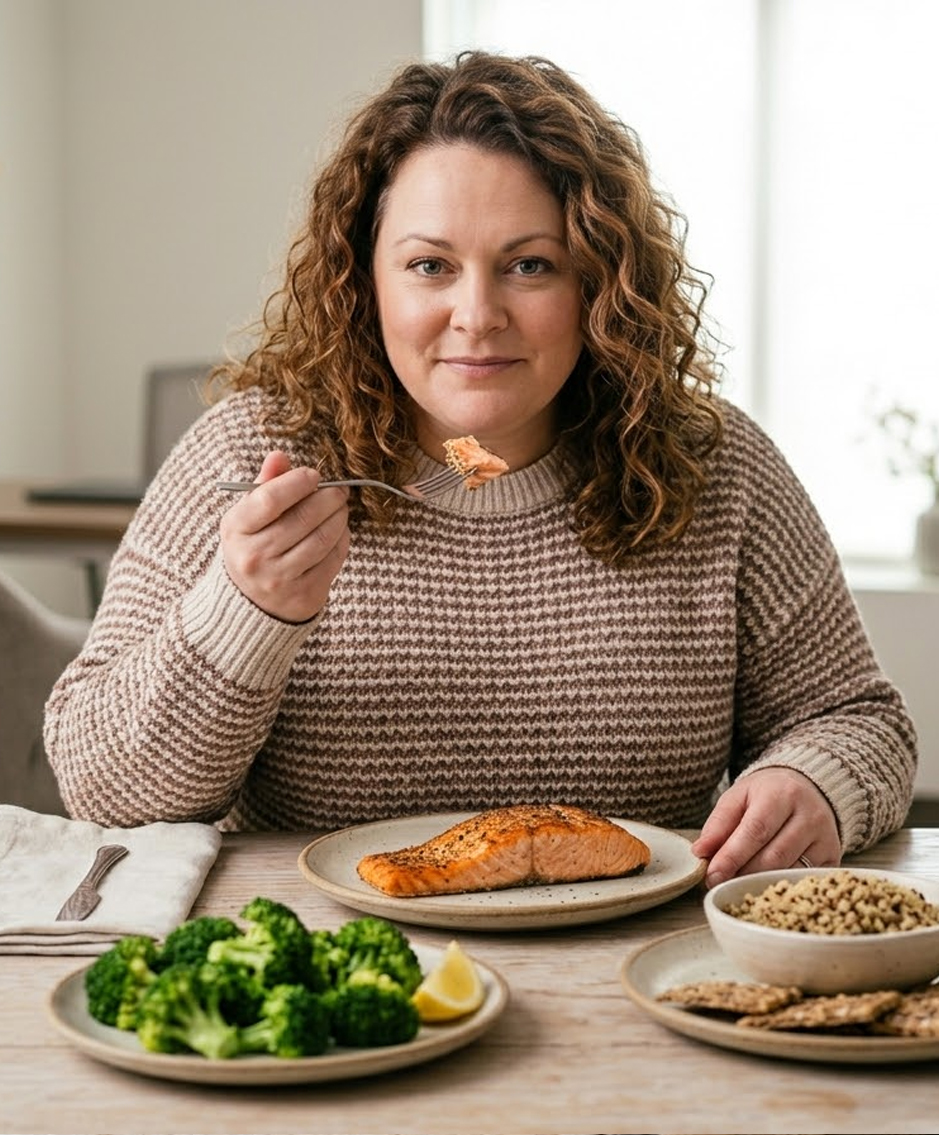
To ensure you hit your targets, you must adopt the “protein first” rule. Whenever you sit down for a meal, always eat your protein portion before touching your vegetables or complex carbohydrates. Because you get full so quickly, filling up on broccoli or rice first means you will not have room left for the nutrients your body desperately needs.
Overcoming Common Protein Challenges
Even with the best intentions, consuming enough protein after bariatric surgery can be difficult. Your tastes will change, your stomach is highly sensitive, and eating can sometimes feel like a chore. Here is how you can navigate the most common roadblocks.
Managing Meat Intolerance and Food Aversions
Many patients find that their favourite foods suddenly taste terrible after surgery. Meat intolerance is incredibly common. Chicken breast might feel too dry, and red meat might sit like a heavy rock in your stomach.
If you are struggling with meat, do not force it. Transition to softer, moister proteins like slow-cooked meats, minced poultry, or flaky fish. Adding a small amount of low-fat gravy or sugar-free sauce can add much-needed moisture, making the protein significantly easier to chew and swallow.
Dealing with Lactose Intolerance
If your usual whey protein shakes or dairy snacks suddenly cause bloating, cramps, or nausea, you might be dealing with temporary or permanent lactose intolerance.
Switching to a whey protein isolate (which has lactose filtered out) or a high-quality plant-based protein powder (like pea or soy protein) can quickly resolve this issue. You can also swap standard milk for lactose-free milk, almond milk, or soy milk when preparing your meals and shakes.
Navigating the Small Stomach Capacity
When you can only eat a few tablespoons of food at a time, panic can set in. The key to managing a small stomach capacity is frequency and timing. Instead of three main meals, you might need to eat five or six tiny, protein-heavy meals throughout the day.
Pacing yourself is critical. Chew every bite thoroughly, aiming for at least 20 chews per bite, until the food reaches the consistency of applesauce.
Balancing Protein and Hydration
Hydration is just as important as protein, but mixing the two incorrectly can cause severe discomfort. Remember the golden rule of bariatric eating: never drink liquids while you eat.
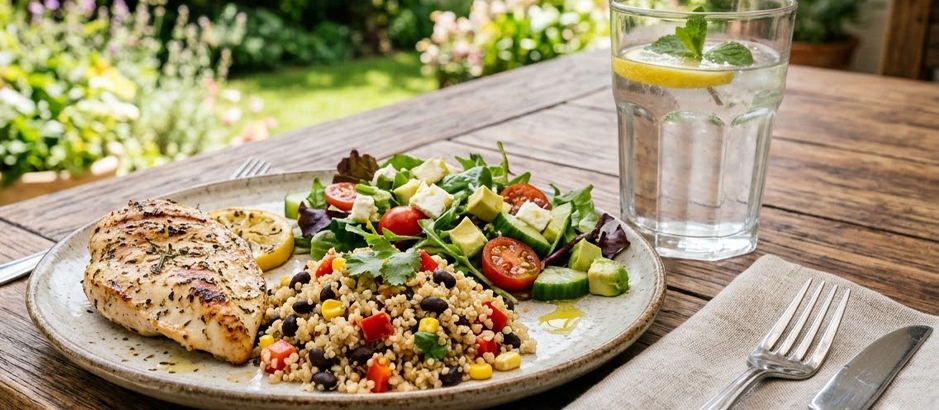
Drinking water with your meal flushes the food out of your pouch too quickly, leaving you hungry, or it overfills your tiny stomach, causing nausea and vomiting. Wait at least 30 minutes after drinking before starting your high-protein meal, and wait another 30 minutes after finishing your food before taking another sip of water.
If you find yourself constantly battling fatigue, you might actually be dehydrated rather than under-eating protein. Always monitor both your water and your protein intake closely. Check out our other resources on managing fatigue after bariatric surgery for more helpful insights.
Taking Charge of Your Protein Journey After Surgery
Understanding the role of protein after bariatric surgery completely changes the way you approach your daily diet. It stops being an annoying rule and becomes a powerful tool for your success. Protein protects your hard-earned muscle, accelerates your internal healing, keeps your metabolism firing, and prevents excessive hair loss.
While meeting your daily target of 60 to 80 grams can feel challenging at first, it becomes second nature with practice. By adopting the “protein first” rule, leaning on high-quality supplements when needed, and communicating openly with your healthcare team about any aversions, you can conquer your nutritional goals.
Remember, you do not have to navigate this completely alone. If you are struggling to keep your food down or find yourself confused by supplement labels, reach out for professional help. Take the next step in your health journey today. Explore our Just One Lite one-a-day multivitamin and iron. Always remember to consult your healthcare provider or bariatric dietitian to establish the perfect protein plan for your individual needs.
*These statements have not been evaluated by the TGA or a Bariatric specialist. The information provided is not intended to replace medical advice provided by a Medical professional. This product is not intended to diagnose, treat, cure, or prevent any disease. Always consult your healthcare provider before starting any supplement regimen.

BariLife Just One – Lite provides the right balance of vitamins and minerals to keep your body functioning at its peak. Whether you’ve had surgery or just want to fill nutritional gaps, this simple, once-a-day solution is the step toward long-term health.
For questions or recommendations, email us at info@barilife-lite.com.au or call 0452 665 037. Don’t forget to ask about the best calcium citrate chews suited for your needs!
Take control of your health today with BariLife Just One – Lite – your complete bariatric multivitamin solution.
 ">
">
 ">
">