Men’s Bariatric Health: Why Australian Blokes Overlook Vitamin D
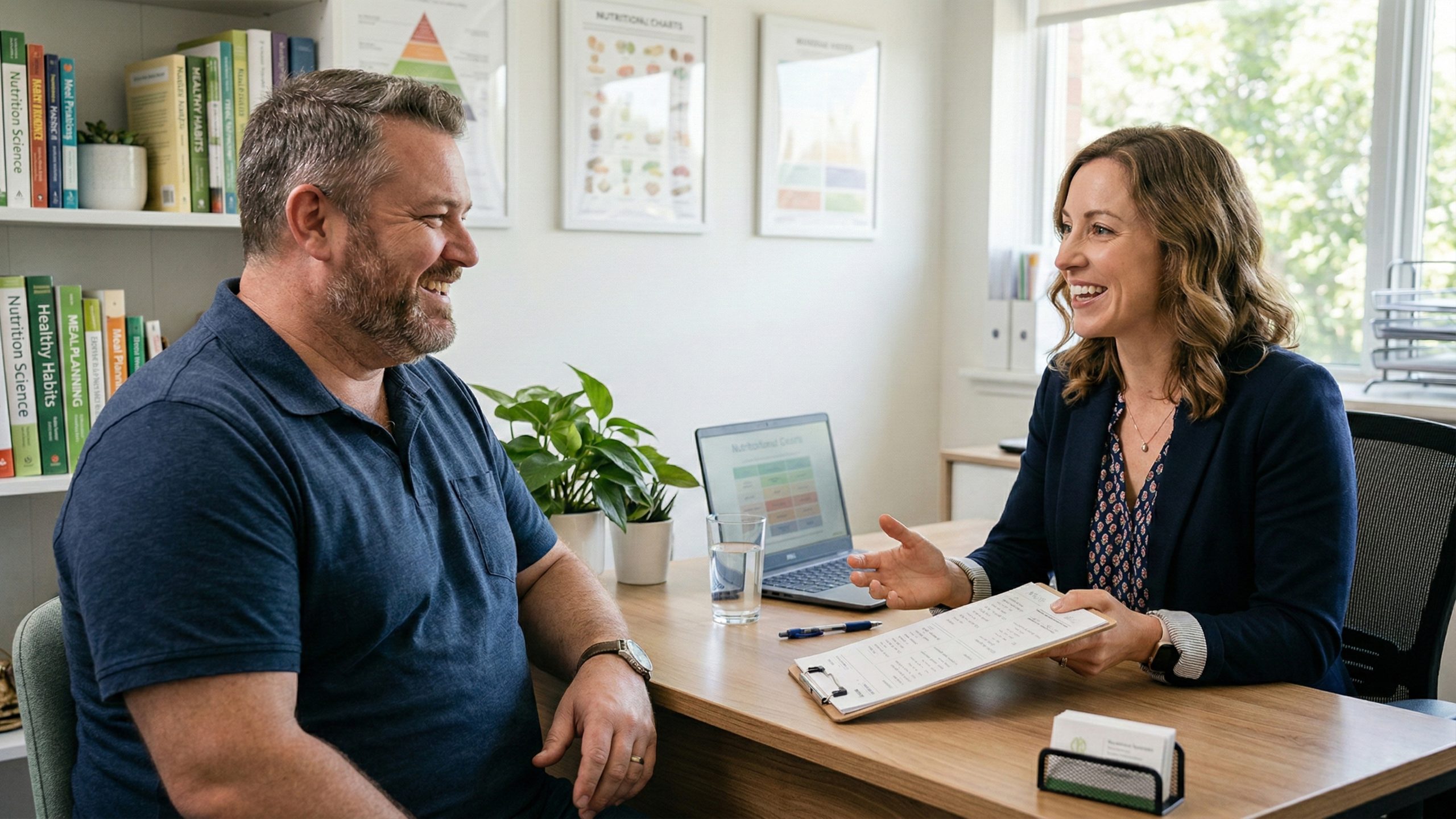
Australian blokes are known for their “she’ll be right” attitude. Whether it’s a ute making a funny noise or a persistent ache in the knee, the tendency to shrug it off and crack on is practically part of the national identity. But when it comes to bariatric health, there’s one thing you absolutely can’t afford to overlook: Vitamin D.
Vitamin D deficiency is surprisingly common among Australian men, and for those who have undergone bariatric surgery like a gastric sleeve or bypass, the stakes are significantly higher.
This article isn’t about lecturing you or complicating your life with strict regimens. It’s about giving you the straight facts on why Vitamin D is the fuel your engine needs to keep running smoothly, especially after weight loss surgery, and how simple tweaks, like the right supplement, can keep you in top nick for the long haul.
Why Australian Men Overlook Vitamin D
You might be wondering, “I’m out in the yard on weekends and drive with the window down; surely I’m right?” It’s a fair question. However, several cultural and lifestyle factors contribute to why Aussie men are often running on empty when it comes to Vitamin D.
The “Sun Smart” Paradox
We’ve done a brilliant job in Australia of educating people about skin cancer. “Slip, Slop, Slap” is ingrained in our psyche. While protecting your skin is vital, high-factor sunscreen blocks the UV rays needed to produce Vitamin D. Many men are diligent about sun protection (as they should be!), but don’t realise they need to compensate for the blocked Vitamin D synthesis.
The Indoor Grind
The image of the bronzed Aussie bloke is a bit of a myth these days. Many of us work long hours in offices, warehouses, or behind the wheel of a truck. We leave home early and get back late. Even tradies, who are technically “outdoors,” are often covered head-to-toe in protective gear to meet safety regulations.
It’s Seen as a “Women’s Issue”
Bone health and osteoporosis are frequently marketed as women’s health concerns. Consequently, many men tune out when they hear about calcium and Vitamin D, assuming it’s not relevant to them. This misconception is dangerous. Men have skeletons too, and after bariatric surgery, maintaining bone density is just as critical for blokes as it is for the ladies.
The “She’ll Be Right” Factor
Nutritional deficiencies are sneaky. They don’t hurt immediately like a broken bone. The symptoms, fatigue, a bit of muscle weakness, maybe feeling a bit moody, are easy to dismiss as just getting older or working too hard. Men are statistically less likely to visit a GP for preventative health checks, meaning deficiencies often go unnoticed until they cause real damage.
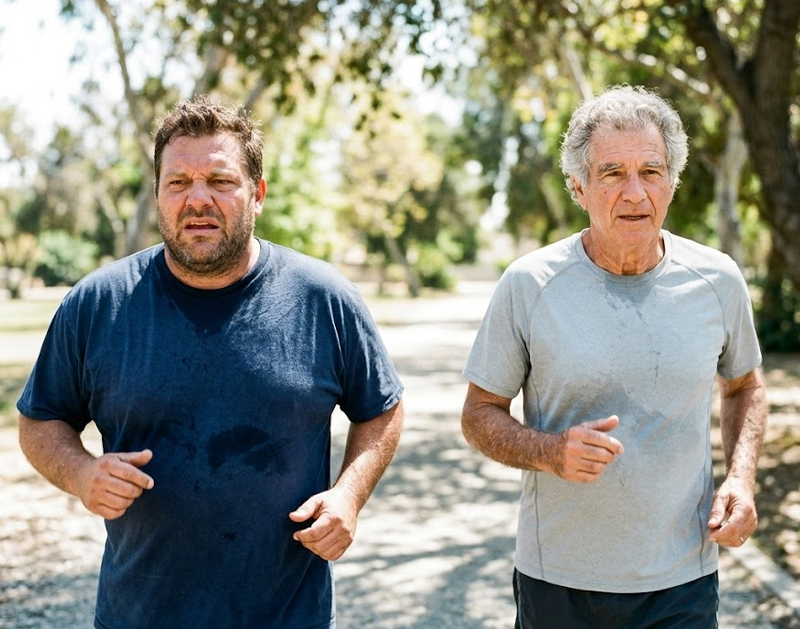

The Role of Vitamin D in Men’s Health
Vitamin D isn’t just about bones; it’s more like a master key that unlocks various systems in your body. It acts more like a hormone than a simple vitamin, influencing everything from your muscles to your mood.
Muscle Function and Testosterone
For men wanting to stay active and strong, Vitamin D is non-negotiable. It plays a pivotal role in muscle function. Low levels are linked to muscle weakness and aches, making it harder to hit the gym or even just tackle a weekend DIY project.
Emerging research also suggests a link between Vitamin D levels and testosterone production, which influences energy, libido, and muscle mass.
Immune System Defence
Think of Vitamin D as the foreman of your immune system. It helps coordinate the body’s response to infections. Adequate levels can help reduce the risk of respiratory infections and keep you fighting fit during flu season. After surgery, your body is already working hard to adapt; you don’t want your immune defences down.
Mental Health and Mood
There are Vitamin D receptors all over the brain. Low levels have been associated with an increased risk of depression and low mood. The bariatric journey is a mental game as much as a physical one. Keeping your Vitamin D levels optimised supports your mental resilience, helping you stay motivated and positive.
The Bariatric Connection
Here is the kicker for bariatric patients: Surgery changes your anatomy. Whether you’ve had a bypass or a sleeve, your ability to absorb nutrients from food is compromised. You can eat all the salmon and eggs you want, but your gut might only absorb a fraction of the vitamins compared to before surgery. Furthermore, rapidly losing fat stores can initially release stored Vitamin D into the blood, but once those stores are gone and absorption is low, levels can crash hard.

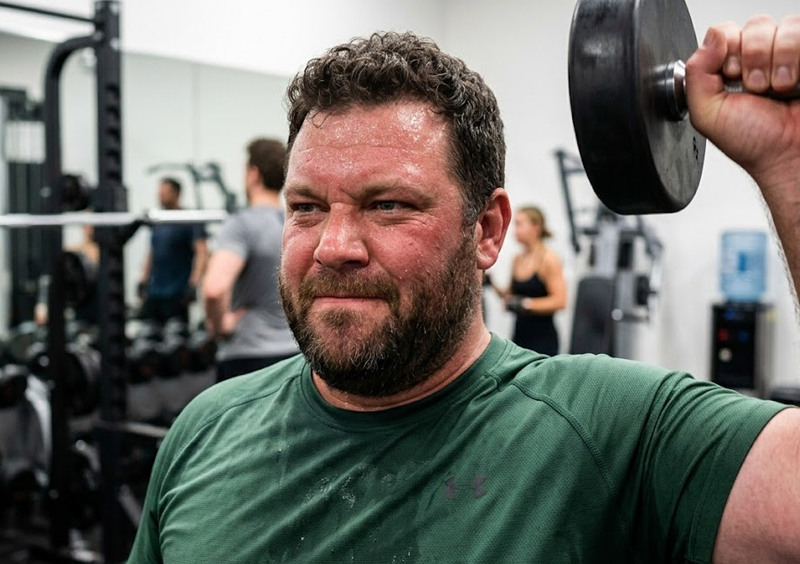
Symptoms and Risks of Vitamin D Deficiency
Because the symptoms are often vague, it’s easy to miss the warning signs until you’re in trouble. Here is what to look out for and why ignoring it is a bad idea.
Early Warning Signs
- Fatigue that sleep doesn’t fix: If you’re waking up tired and dragging yourself through the day, it might not be your workload; it could be your levels.
- Muscle aches and weakness: Struggling with weights you used to lift easily? Feeling heavy in the legs when walking up stairs? That’s a classic sign.
- Bone pain: Deep aches in the back, hips, or ribs are often mistaken for “old injuries” or arthritis, but they can also be due to osteomalacia (softening of the bones).
- Frequent illness: Catching every cold that goes around the office? Your immune shield might be down.
- Moodiness: Feeling shorter-fused than usual or just generally “flat.”
The Long-Term Risks
Ignoring these signs can lead to serious consequences down the track:
- Osteoporosis and Fractures: This is the big one. Without Vitamin D, you can’t absorb calcium. Your body will then steal calcium from your bones to keep your heart and muscles working. Over the years, this leaves your skeleton brittle and prone to breaking from minor bumps.
- Metabolic Issues: Low Vitamin D is linked to insulin resistance and metabolic syndrome, conditions that bariatric surgery is often meant to help resolve. You don’t want to undo your hard work.
- Cardiovascular Health: Some studies show a correlation between low Vitamin D and increased risk of heart disease and high blood pressure.

How to Boost Vitamin D Levels
The good news is that fixing this isn’t rocket science. It requires a three-pronged attack: sun, food, and supplementation.
1. Smart Sun Exposure
You don’t need to bake yourself. For most fair-skinned people, exposing the arms and hands for about 10–15 minutes in mid-morning or mid-afternoon (outside peak UV times) is helpful. However, if you have darker skin, you need significantly more time. Remember, glass blocks UVB rays, so driving with the window up doesn’t count!
2. Dietary Sources
While food alone is rarely enough for bariatric patients due to malabsorption, it still helps to eat the right stuff.
- Oily Fish: Salmon, mackerel, sardines, and tuna are the heavy hitters here.
- Eggs: Specifically, the yolks. Don’t toss them!
- Mushrooms: Varieties exposed to UV light can be a decent plant-based source of vitamin D.
- Fortified Foods: Look for milk and cereals with added Vitamin D.
3. Supplementation (The Non-Negotiable)
Let’s be honest: relying on the sun is risky in winter or if you work indoors, and relying on food is tough when your stomach is the size of a banana. This is where supplements come in.
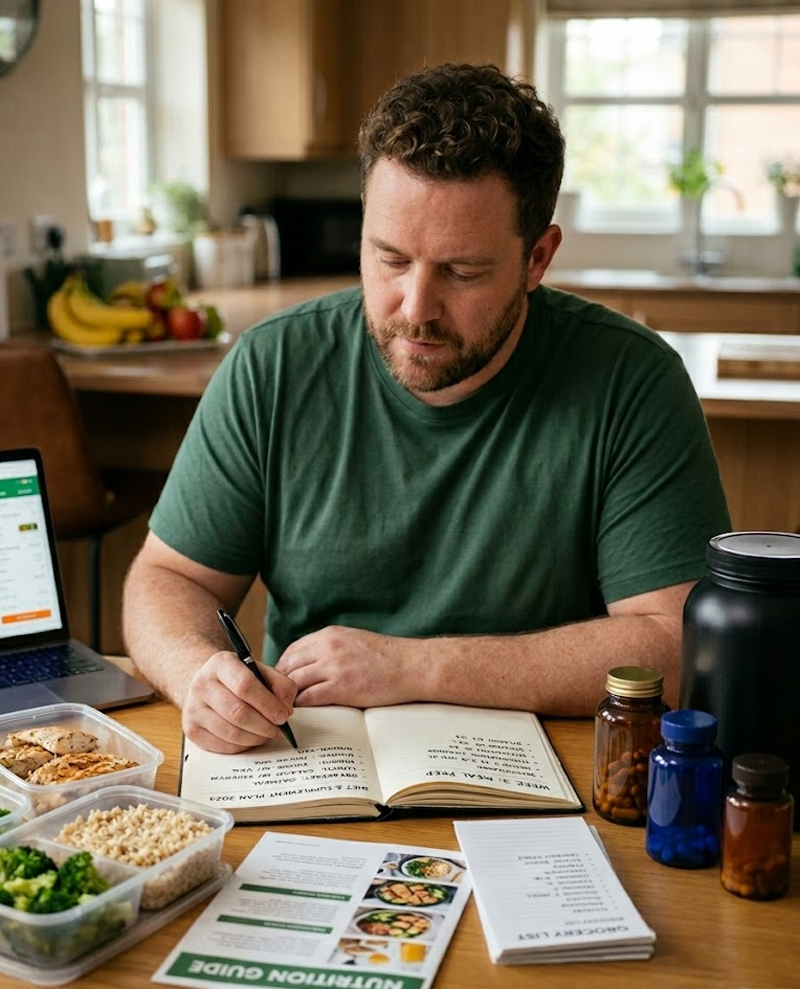
Why “Just One Lite” Is Perfect for Aussie Blokes
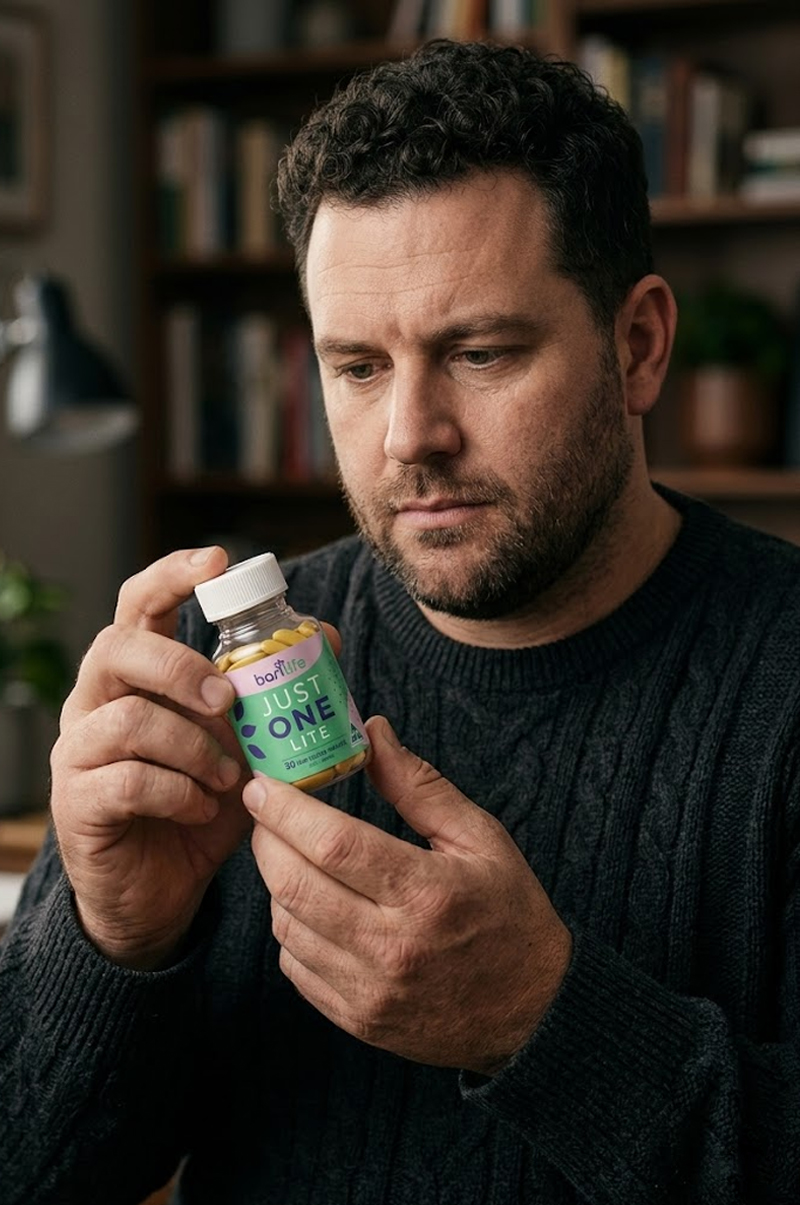
Let’s talk compliance. That’s the fancy medical term for “actually taking your medicine.” We know that men are statistically worse at taking daily pills than women. If a regimen involves four huge horse pills, three times a day, separated by two hours… let’s face it, most blokes will give up after a week. This is why BariLife Lite’s Just One Lite is a game-changer for men’s bariatric health.
Simplicity is King
It’s in the name: Just One. It’s a single daily multivitamin that covers your bases. No complex schedules, no handfuls of tablets rattling around in your pocket. You take it in the morning with your coffee (or water), and you’re done. It fits effortlessly into a low-fuss lifestyle.
Tailored for Bariatric Needs
This isn’t just a generic supermarket vitamin. It contains high levels of Vitamin D3, specifically dosed for bariatric patients with higher requirements due to malabsorption. It also includes iron and B12 in forms that are easily absorbed by your altered gut. It’s high-performance fuel for your body.
No “Chalky” Aftertaste
Many bariatric vitamins are chewable, which is great early on, but eventually, many men get sick of the sweet, chalky taste. Just One Lite is a swallowable capsule. It’s quick, tasteless, and gets the job done without the fuss.
Cost-Effective
Buying separate bottles of Vitamin D, Iron, B12, and a multivitamin adds up fast. Just One Lite combines them, saving you money that’s better spent on a fishing trip or a night out with the family.
Your Common Questions Answered
We know you’ve got questions, so let’s tackle the common ones.
I feel fine. Do I really need to take vitamins?
Absolutely. Deficiencies are silent assassins. By the time you feel bad (bone pain, extreme fatigue), the damage has already started. Think of vitamins like servicing your car; you change the oil to prevent the engine seizing, not because it’s already smoking.
Can’t I just take a double dose of a supermarket multivitamin?
Not recommended. Standard multivitamins are designed for people with normal stomachs. They often lack the specific concentration of minerals bariatric patients need and may contain forms of nutrients that rely on stomach acid (which you have less of) to break down.
How much Vitamin D does a man need daily?
While the general recommendation for adults is around 600-800 IU (International Units), bariatric patients often need significantly more, sometimes up to 3,000 IU or more, to maintain healthy blood levels. Your GP or dietitian will guide you based on your blood test results, but a bariatric-specific multivitamin usually provides a higher baseline dose to help keep you safe.
Can Vitamin D deficiency be reversed?
It’s very reversible. With the right dosage of Vitamin D3 supplements, levels can typically be restored within a few months. However, fixing the loss of bone density caused by long-term deficiency is much harder, which is why prevention is better than cure.
Is “Just One Lite” suitable for all men?
It is suitable for most sleeve and bypass patients who are in the maintenance phase. However, every surgery is different. If you have specific medical conditions or complications, always check with your bariatric team first.


Your Health, Simplified
Taking charge of your health doesn’t mean becoming obsessed with kale smoothies or spending hours in the pharmacy aisle. It’s about making smart, efficient choices that keep you operational.
Vitamin D is a critical piece of the puzzle for Australian men, especially after bariatric surgery. Ignoring it risks your bones, your muscles, and your energy levels. But fixing it is easy.
Don’t let a simple deficiency derail your bariatric success. Get some sun when you can, eat well, and simplify your routine with a supplement that helps.
If you’re ready to ditch the complicated pill organisers and get back to living your life, check out Just One Lite. It’s the no-nonsense solution for blokes who want to stay healthy without the hassle.
*These statements have not been evaluated by the TGA or a Bariatric specialist. The information provided is not intended to replace medical advice provided by a Medical professional. This product is not intended to diagnose, treat, cure, or prevent any disease. Always consult your healthcare provider before starting any supplement regimen.

BariLife Just One – Lite provides the right balance of vitamins and minerals to keep your body functioning at its peak. Whether you’ve had surgery or just want to fill nutritional gaps, this simple, once-a-day solution is the step toward long-term health.
For questions or recommendations, email us at info@barilife-lite.com.au or call 0452 665 037. Don’t forget to ask about the best calcium citrate chews suited for your needs!
Take control of your health today with BariLife Just One – Lite – your complete bariatric multivitamin solution.
 ">
">
 ">
">