Men’s Nutrition After Bariatric Surgery

Your Guide to Recovery and Strength
After bariatric surgery, your body undergoes significant changes that require a new approach to nutrition. While the core principles of post-surgical eating apply to everyone, men have unique nutritional needs that are important to address for a successful recovery and long-term health. Understanding these differences, from protein requirements to specific vitamin needs, can make a major impact on your journey.
BariLife-Lite explores the gender-specific nutritional needs for men after bariatric surgery. We will cover why your requirements differ from women’s and provide practical advice to help you optimise your health, maintain muscle mass, and thrive after your procedure.
Why Nutritional Needs Differ for Men
Men and women are built differently, and these biological distinctions influence how the body responds to bariatric surgery and processes nutrients. Key factors like hormonal profiles, body composition, and metabolic rates all play a role in creating distinct nutritional requirements for men.
Higher Muscle Mass and Metabolism
Generally, men have a higher percentage of lean muscle mass and a lower percentage of body fat compared to women. Muscle is metabolically active tissue, meaning it burns more calories at rest than fat does. This results in men typically having a higher basal metabolic rate (BMR).
After bariatric surgery, preserving muscle mass is a top priority. Significant weight loss can lead to the loss of both fat and muscle. For men, this means a greater need for protein to support muscle maintenance and repair. A higher BMR also means that, while calorie intake is drastically reduced, the body still has a strong underlying demand for fuel and nutrients.
Hormonal Differences
Testosterone is the primary male sex hormone, and it plays a crucial role in regulating muscle mass, bone density, and fat distribution. Bariatric surgery can impact hormone levels. While weight loss often leads to an increase in testosterone, it’s vital to provide the body with the right nutrients to support healthy hormonal function.
Zinc, for instance, is a mineral that is essential for testosterone production. Since nutrient absorption is altered after surgery, paying close attention to zinc intake becomes even more critical for men’s health.
Key Nutritional Priorities for Men Post-Surgery
Focusing on a few key areas can help you meet your specific nutritional needs and set yourself up for long-term success. Your bariatric team will provide a detailed diet plan, but understanding the “why” behind their recommendations can empower you to take control of your health.
Protein: The Foundation of Recovery
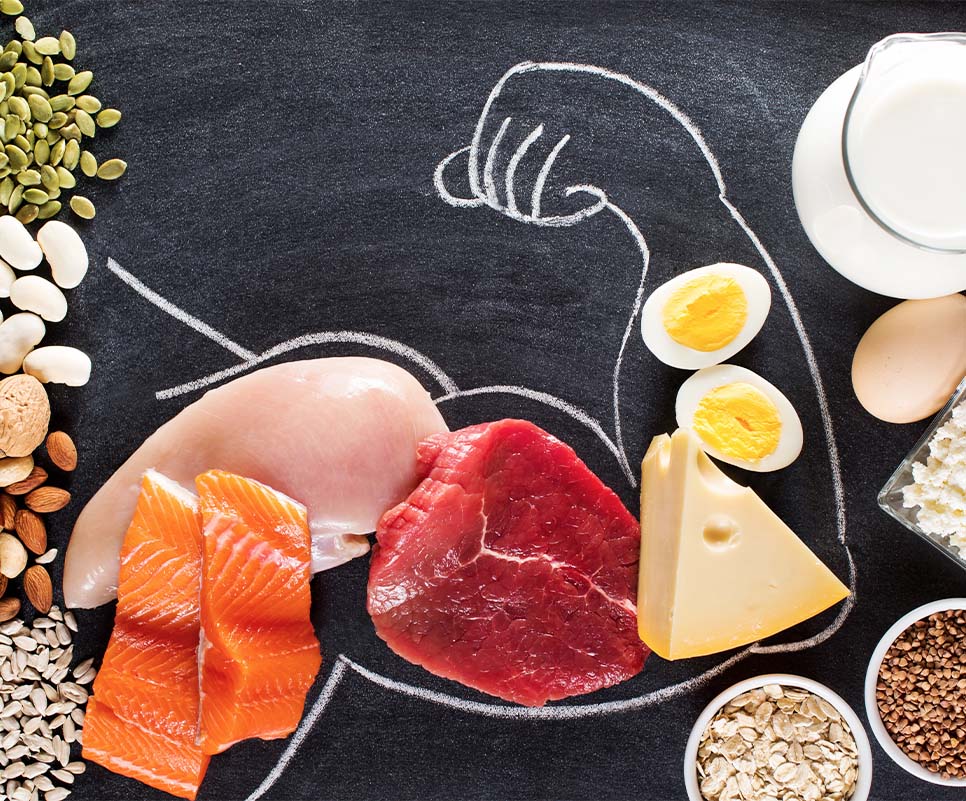
Protein is the most critical macronutrient after bariatric surgery. It is essential for healing, preserving muscle mass, and keeping you feeling full. Due to their higher muscle mass, men generally require more protein than women.
Why it’s critical for men:
- Muscle Preservation: Adequate protein intake signals your body to burn fat for energy instead of breaking down valuable muscle tissue.
- Wound Healing: Your body needs protein to repair surgical incisions and recover effectively.
- Satiety: Protein helps control hunger, which is crucial as you adapt to smaller portion sizes.
Practical Advice:
- Aim for a Higher Target: While general guidelines often suggest 60-80 grams of protein per day, men may need to aim for 80-100 grams or more, depending on their starting weight and activity level. Always follow the specific guidance from your dietitian.
- Prioritise Protein First: At every meal, eat your protein source first to ensure you meet your needs before you feel full.
- Choose Lean Sources: Focus on high-quality, lean proteins like chicken breast, turkey, fish, eggs, Greek yogurt, and beans.
- Supplement Wisely: Protein shakes are an excellent tool, especially in the early stages post-surgery when your food volume is minimal. A high-quality whey or casein protein isolate can help you hit your daily targets.

Essential Vitamins and Minerals
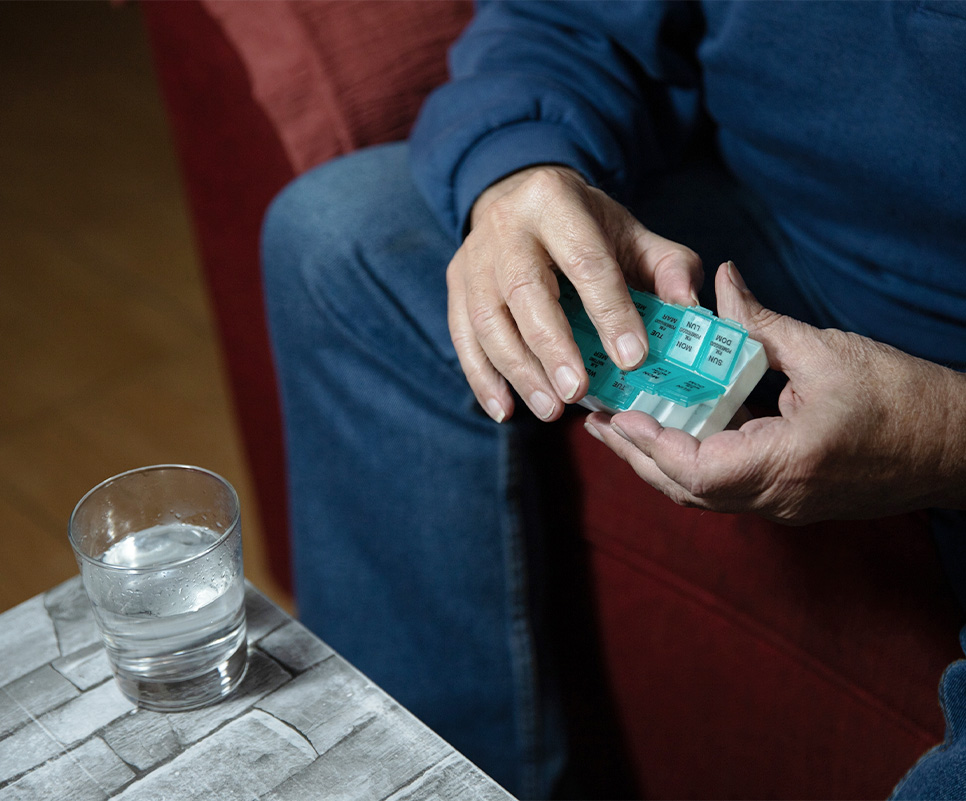
Bariatric surgery alters your digestive system, which reduces the absorption of many essential vitamins and minerals. Lifelong supplementation is non-negotiable for all bariatric patients, but men should pay special attention to a few key micronutrients.
Iron
While iron-deficiency anemia is more commonly associated with women, it is still a significant risk for men after surgery. Iron is vital for carrying oxygen in the blood and maintaining energy levels.
Tip: Your bariatric multivitamin should contain iron. Avoid taking it with calcium, as calcium can block iron absorption. In most cases, a complete bariatric-specific multivitamin supplement is the best choice to meet your nutritional needs. These supplements are the result of years of research and are specifically formulated to suit the majority of patients.
While there may be exceptions, it’s essential to ensure you’re getting sufficient iron and calcium, along with the other 22 vital vitamins and minerals your body requires. Typically, a complete tablet containing both iron and calcium, or a one-a-day tablet combined with calcium citrate chews (three per day), is recommended.
Over-the-counter multivitamins, including gummies, are not tailored to meet the unique needs of post-bariatric patients. If you’re uncertain about what you need, consult a bariatric specialist dietitian, nutritionist, or nurse specialist. It’s best to avoid seeking advice from your GP or social media platforms like Facebook groups.
Calcium and Vitamin D
This pair works together to maintain strong bones. Testosterone helps protect bone density, but rapid weight loss can put you at risk for bone loss.
Tip: You will need to take a separate calcium citrate supplement, as it cannot be combined with iron in a multivitamin. Unless you take a specific bariatric multivitamin that is complete, i.e., has iron and calcium in the same tablet. Take it in smaller doses (500-600 mg at a time) throughout the day for better absorption. Vitamin D is essential for absorbing calcium.
Zinc
As mentioned, zinc is crucial for testosterone production, immune function, and wound healing. Absorption of zinc can be significantly reduced after surgery.
Tip: Look for a bariatric-specific multivitamin that includes an adequate dose of zinc. Foods rich in zinc include lean red meat, poultry, and beans.
Vitamin B12
This vitamin is essential for nerve function and the production of red blood cells. Its absorption relies on a substance called intrinsic factor, which is greatly reduced after gastric sleeve or bypass surgery.
Tip: B12 deficiency can cause fatigue and neurological issues. Most patients require a sublingual (under the tongue) or injectable form of B12 for adequate absorption. Generally, this isn’t the case if you are taking a bariatric-specific multivitamin.
Building a Sustainable Nutrition Plan
Knowing what your body needs is the first step. The next is putting that knowledge into practice consistently.
Structure Your Meals
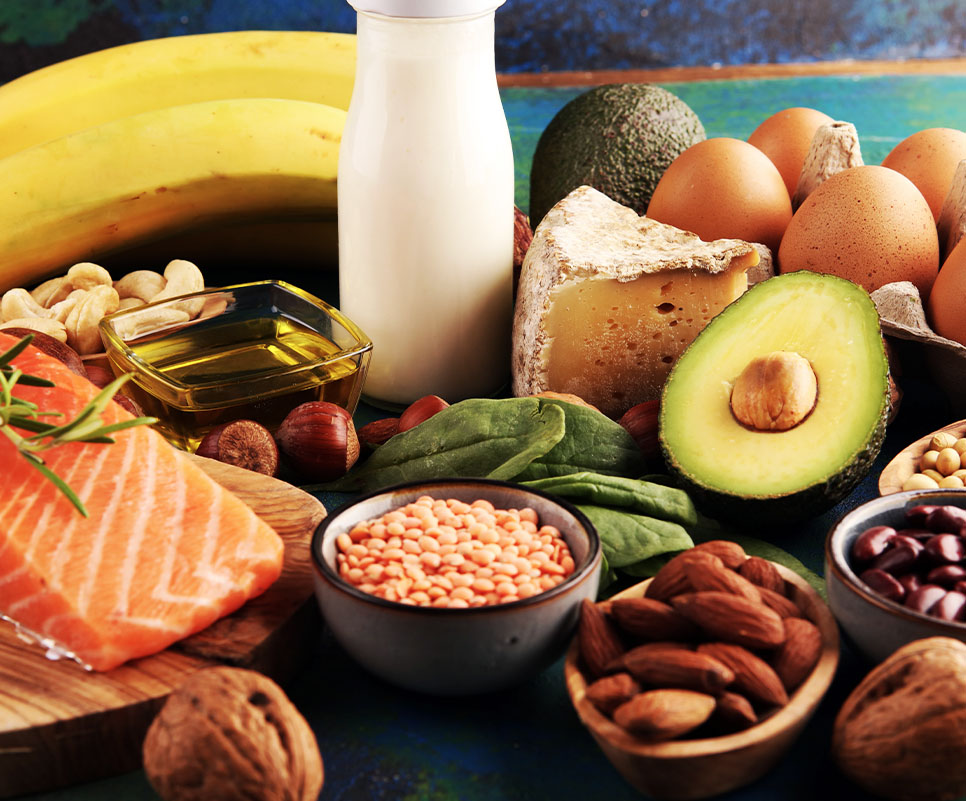
Eating small, frequent meals helps you meet your nutrient goals without overwhelming your new stomach pouch. Aim for three main meals and two or three high-protein snacks per day. Planning your meals ahead of time can prevent you from making poor food choices when you’re hungry.
Hydration is Non-Negotiable
Dehydration is one of the most common reasons for readmission to the hospital after bariatric surgery. Sip water and other non-caloric, non-carbonated fluids continuously throughout the day. Avoid drinking with meals, as this can fill you up too quickly and flush food out of your stomach, preventing proper nutrient absorption. Wait at least 30 minutes after a meal before drinking fluids.
Listen to Your Body
Your new anatomy will give you clear signals when you’ve eaten too much or too fast. Pay attention to these cues. Eating slowly and chewing your food thoroughly will aid digestion and help you recognise when you are full. Discomfort, pain, or vomiting are signs that you need to adjust your eating habits.

Long-Term Success
Your nutritional needs will evolve as you move further from your surgery date and your weight stabilises. Continuing to work with your bariatric team, including your dietitian, is essential. Regular blood tests will help monitor your vitamin and mineral levels, allowing your team to adjust your supplement regimen as needed.
By focusing on your unique nutritional needs as a man, you can support your body’s recovery, preserve your strength, and build a foundation for a healthier, more active life. This journey is a marathon, not a sprint, and fueling your body correctly is the key to crossing the finish line strong.
Ready to take the next step in your recovery? Discover how BariLife-Lite can help you meet your daily nutrition goals and support your long-term success after bariatric surgery. Explore our BariLife-Lite today!
*These statements have not been evaluated by the TGA or a Bariatric specialist. The information provided is not intended to replace medical advice provided by a Medical professional. This product is not intended to diagnose, treat, cure, or prevent any disease. Always consult your healthcare provider before starting any supplement regimen.
BariLife Just One – Lite provides the right balance of vitamins and minerals to keep your body functioning at its peak. Whether you’ve had surgery or just want to fill nutritional gaps, this simple, once-a-day solution is the step toward long-term health.
For questions or recommendations, email us at info@barilife-lite.com.au or call 0452 665 037. Don’t forget to ask about the best calcium citrate chews suited for your needs!
Take control of your health today with BariLife Just One – Lite – your complete bariatric multivitamin solution.
 ">
">
 ">
">